Chest Pain or Discomfort
Recurring pressure, pain or discomfort in your chest should be assessed.

These symptoms may need medical assessment. Consult Dr. Manoj Kumar Yadav to discuss your concerns.
Recurring pressure, pain or discomfort in your chest should be assessed.
New or unexplained breathlessness deserves a medical consultation.
Discuss a racing, fluttering or irregular heartbeat with your doctor.
Persistent tiredness can have several causes and may need assessment.
Episodes of dizziness or fainting should be evaluated by a clinician.
New swelling in your feet or ankles should be checked.
Bring your recent blood pressure readings for a review.
Sudden sweating with chest pain or breathlessness needs urgent attention.
Complete cardiac care
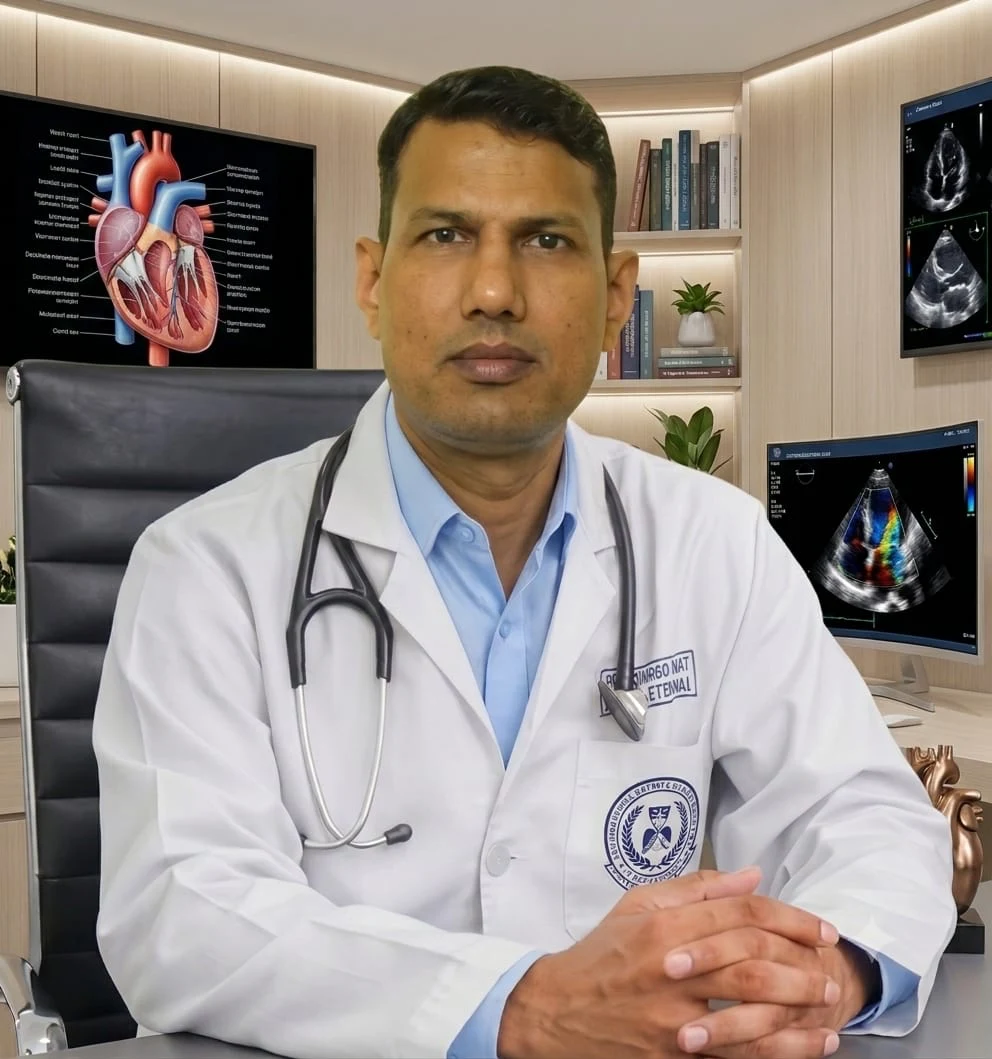
Dr. Manoj Kumar Yadav is a Senior Consultant in Interventional Cardiology at Krishna Heart & General Hospital, Jaipur. He helps patients understand their diagnosis, explore treatment options and plan follow-up care.
Cardiology
Medicine (Indian Army)
IIT Kharagpur

SPMC Bikaner
Heart conditions
Bring any previous diagnosis or reports to review during your appointment.
Interventional cardiology
Explore procedure topics for your consultation. Confirm suitability, availability and referrals with the clinic.
A catheter-based treatment for narrowed coronary arteries.
A device-based option for certain heart rhythm problems.
Bring your ECG, rhythm test reports and any notes from your treating doctor.
Ask the clinicImaging from inside a blood vessel, such as IVUS or OCT.
Ask whether intravascular imaging is relevant to your angiogram or planned procedure.
Ask the clinicA balloon-based procedure for selected narrowed heart valves.
A catheter-based option for certain structural heart defects.
Catheter-based aortic valve replacement for selected patients.
Bring your echocardiogram and any previous valve assessments to review next steps.
Ask the clinicA surgical option for restoring blood flow around narrowed coronary arteries.
Discuss whether a surgical opinion or coordinated referral may be appropriate.
Ask the clinicSelected cardiac operations may use smaller incisions.
Cardiac diagnostics
Discuss which tests may be appropriate. Check test availability and referral arrangements when booking.
Records the electrical activity of the heart.
Ultrasound imaging of the heart.
An exercise-based cardiac stress test.
Portable recording of the heart rhythm over time.
Blood pressure measurements taken over a day and night.
Ultrasound images obtained during a cardiac stress test.
Echocardiography using a contrast agent when indicated.
Heart ultrasound for infants and children.
Heart care consultations
Consultations include initial evaluation, follow-up and second opinions for existing cardiac concerns.
For non-emergency review, bring your previous reports and discharge summary.
Discuss symptoms, medicines and your follow-up plan.
Bring any echocardiogram or previous valve assessment.
Bring any ECG or rhythm monitoring results.
Discuss existing reports and specialist referral options.
Bring recent blood pressure, cholesterol and diabetes reports if available.
Discuss previous tests and any recommended next steps.
Review procedure recommendations and available care options.
Discuss existing recommendations and whether a surgical referral is appropriate.
Bring reports, angiograms and the treatment options you want to discuss.
Request a second opinion →Tests are selected after clinical assessment.
Diagnostics
Planning your consultation
Have your previous records ready and confirm the consultation slot with the clinic.
Patients seeking an initial cardiac evaluation or follow-up.
View consultation topicsExplore Dr. Yadav’s clinical focus and discuss availability with the clinic.
Explore servicesBring previous reports, prescriptions and a note of your main concerns.
Book an appointmentBring your ECG, discharge summary and recent results for review.
See what to bringConsultation request
Request a preferred date with Dr. Manoj Kumar Yadav.
Visit us
Consultation location in Jaipur. Call ahead to confirm OPD timings.
138, Prem Niwas, Pandit T. N. Mishra Road, Swami Vihar, Nirman Nagar, Jaipur, Rajasthan 302019
Awareness, early diagnosis and cardiovascular risk reduction.
Evidence-based medical treatment and advanced interventional procedures.
Support for recovery, functional capacity and a healthier life.
Combining medical excellence with compassion to protect every heartbeat.
Patient consultations & clinical care
6 photos
A suspected heart attack is an emergency. In India, call 112 immediately. Do not wait for a clinic appointment.
Warning signs include chest pressure or discomfort, pain spreading to an arm, back, neck or jaw, shortness of breath, cold sweat, nausea or light-headedness. Symptoms can vary. Call 112 if you suspect a heart attack.
Call 112 for an ambulance and follow the dispatcher’s instructions. Avoid driving yourself.
Anyone can have a heart attack. The likelihood increases with age and certain health conditions or risk factors.
Common risk factors include smoking, high blood pressure, high cholesterol, diabetes and a family history of early heart disease.
Avoid tobacco, discuss physical activity and diet with your care team, and work with them to manage blood pressure, cholesterol and diabetes.
Get emergency help immediately. A second opinion can be discussed after urgent assessment and stabilisation.
Call 112, stay with the person and follow the dispatcher’s instructions. Share their symptoms and any known medical history with responders.
The emergency team selects treatment based on the type of heart attack, timing and clinical findings. Options can include medicines, urgent angioplasty or surgery.
Risks depend on the treatment and the individual. Ask your treating team to explain expected benefits, possible complications and follow-up.
Examples include heart failure, abnormal heart rhythms, valve disease, cardiomyopathy and congenital heart conditions.
The result needs to be interpreted alongside symptoms, history and other findings. Your clinician can explain whether further testing is appropriate.
Discuss supplements or alternative therapies with your clinician before using them. They can interact with medicines. Continue prescribed care unless your clinician advises a change.
Check the doctor’s qualifications and registration, experience with your condition, and where they consult. Ask how tests, referrals and follow-up are arranged.
Start by discussing repeated high readings with your treating clinician. They can evaluate your blood pressure and advise whether cardiology referral would help.
Examples include coronary bypass, valve repair or replacement, and surgery for certain congenital heart conditions. A cardiac team can explain which options apply.
Cardiologists assess conditions such as coronary artery disease, heart failure, rhythm problems, valve disease and cardiovascular risk factors.
Cardiologists diagnose and manage heart conditions, and some perform catheter-based procedures. Cardiac surgeons perform heart operations.
Ask your clinician about a referral for persistent symptoms, an abnormal test, or follow-up for a known condition. For a suspected heart attack, call 112 immediately.
Call +91 9536574005 or send a WhatsApp appointment request. The clinic will confirm the slot and consultation location.
Bring previous reports, prescriptions and a list of your medicines. Note your symptoms and when they started.
Your request is confirmed only after the clinic agrees to a date, time and location. Please confirm the fee before travelling.
Yes. Contact the clinic about echocardiography availability and preparation. The doctor will advise whether it is appropriate.